
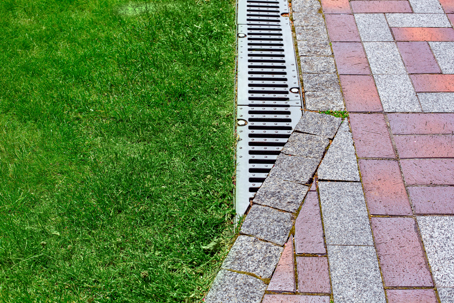
Los Angeles summers are long, dry, and dusty, and that is exactly the problem. From June through October, wind, foot traffic, and landscaping quietly push dirt, dead leaves, pine needles, and bits of mulch into the drains around your home. Nothing seems wrong because nothing is flowing. Then a heavy storm rolls in, and with a Super El Niño winter in the forecast, those neglected drains could be asked to handle more water than they have seen in years.
Why Dirt, Leaves & Summer Debris Are the Enemy of Your Drains
Drains are built to move water, not solids. During the dry months, debris settles in the grate and the first few feet of pipe, where it packs down and hardens in the sun. The first real rain turns that buildup into a dense, muddy plug that water has a hard time getting past.
The trouble with an El Niño season is the speed. Storms tend to arrive in strong bursts rather than gentle showers, so your drains do not get much time to work through a slow trickle. If a drain is already partially blocked, the overflow has to go somewhere, and it usually flows toward your garage, pool deck, or foundation.
Pool Deck Drains & Why They Clog Fast
Pool decks collect more debris than almost any other part of a yard. Leaves blow in, grass clippings get tracked across the concrete, and fine sand and dirt wash toward the low points where the deck drains sit. Add sunscreen residue and hair, and you have a perfect recipe for a sluggish drain.
When a pool deck drain backs up during heavy rain, water collects on the surface and can run toward the house or into the pool. A pool that fills with dirty runoff can overflow, throw off your water chemistry, and push debris into your skimmer lines. Clearing the deck drains before the rain is far cheaper than dealing with the cleanup afterward.
Garage Entrance Drains & Driveway Channels
If your driveway slopes toward the garage, the trench drain or channel drain at the door is the only thing standing between a rainstorm and your garage floor. These drains sit right where grit, leaves, and road dust naturally collect, and they rarely get a second look until the water is already coming in.
A quick check goes a long way. Lift the grate, scoop out the packed debris, and run a hose through the channel to see how quickly the water drains. If the water lingers or backs up, the line beyond the grate is probably blocked, and it is better to know that now than in the middle of a downpour.
Yard Drains & Perimeter Drainage Around Your Property
The drains scattered around the rest of your property do the quiet work of moving water away from your home. They are easy to forget because they are often hidden under leaves, mulch, or landscaping.
Catch Basins & Area Drains
Catch basins and area drains sit at the low points of your yard, patios, and side passages. Because they are usually covered by a small grate, debris builds up out of sight. Pull the grate, remove what has collected, and check that water drains freely when you flush it with a hose.
Downspouts & Roof Runoff
Many downspouts connect to underground drain lines, and those lines pick up everything the gutters send down, including shingle grit, leaves, and dirt. If your gutters have not been cleaned since last winter, that debris can end up deep in the underground line, where you cannot reach it. Clear the gutters first, then confirm each downspout is flowing freely.
A Simple Pre-Storm Drain Checklist
You do not need to be a plumber to give your drains a fighting chance before the rain arrives. Walk your property and work through the following list:
- Pool deck drains. Remove grates, clear out leaves and silt, and flush with a hose to confirm steady flow.
- Garage and driveway channels. Scoop out packed grit from the trench drain and make sure water exits the far end quickly.
- Yard and patio drains. Uncover any grates hidden by mulch, soil, or plants, and clear the basin beneath them.
- Gutters and downspouts. Remove leaves and shingle grit, then run water down each downspout to check that it drains freely.
- Slope and surroundings. Look for soil or landscaping that has shifted over the summer and could redirect water toward your home.
A few minutes on each item now can prevent standing water, soggy foundations, and flooded garages once the storms begin.
When Basic Cleaning Is Not Enough
Sometimes a hose and a scoop will not solve the problem. If a drain still pools after you have cleared the grate, if you hear gurgling from nearby fixtures, or if you notice musty odors near a drain, the blockage is likely deeper in the line. Tree roots, compacted sediment, and collapsed sections of pipe are common culprits, especially in older Los Angeles homes.
This is where professional drain cleaning and a video camera inspection make the difference. A camera shows exactly what is happening inside the line, and hydro jetting can clear stubborn buildup that a snake or a bottle of chemical cleaner cannot reach. It is worth avoiding harsh drain chemicals on outdoor lines, since they rarely break up soil and leaves, and can be hard on older pipes.
Get Your Drains Storm Ready Before the Rain Arrives
The best time to deal with your drains is while the sun is still shining. At Moe Plumbing Services, we offer professional drain cleaning, camera inspections, hydro jetting, and drain repair to clear out a summer's worth of dirt, leaves, and debris and catch problems like root intrusion or damaged pipes before a storm turns them into emergencies. That kind of preparation protects your pool area, your garage, and the rest of your property when the Super El Niño rains arrive.
Call (818) 396-8002 or contact Moe Plumbing Services online to schedule a drain inspection or cleaning before the first big storm.